
SB 1117 and Your Casita: The 2027 ADU Impact Fee Change, Explained for Inland Empire Homeowners
SB 1117 takes effect January 1, 2027: for the first two ADUs on a lot, impact fees apply only to space above 750 sq ft. What it means for your casita.
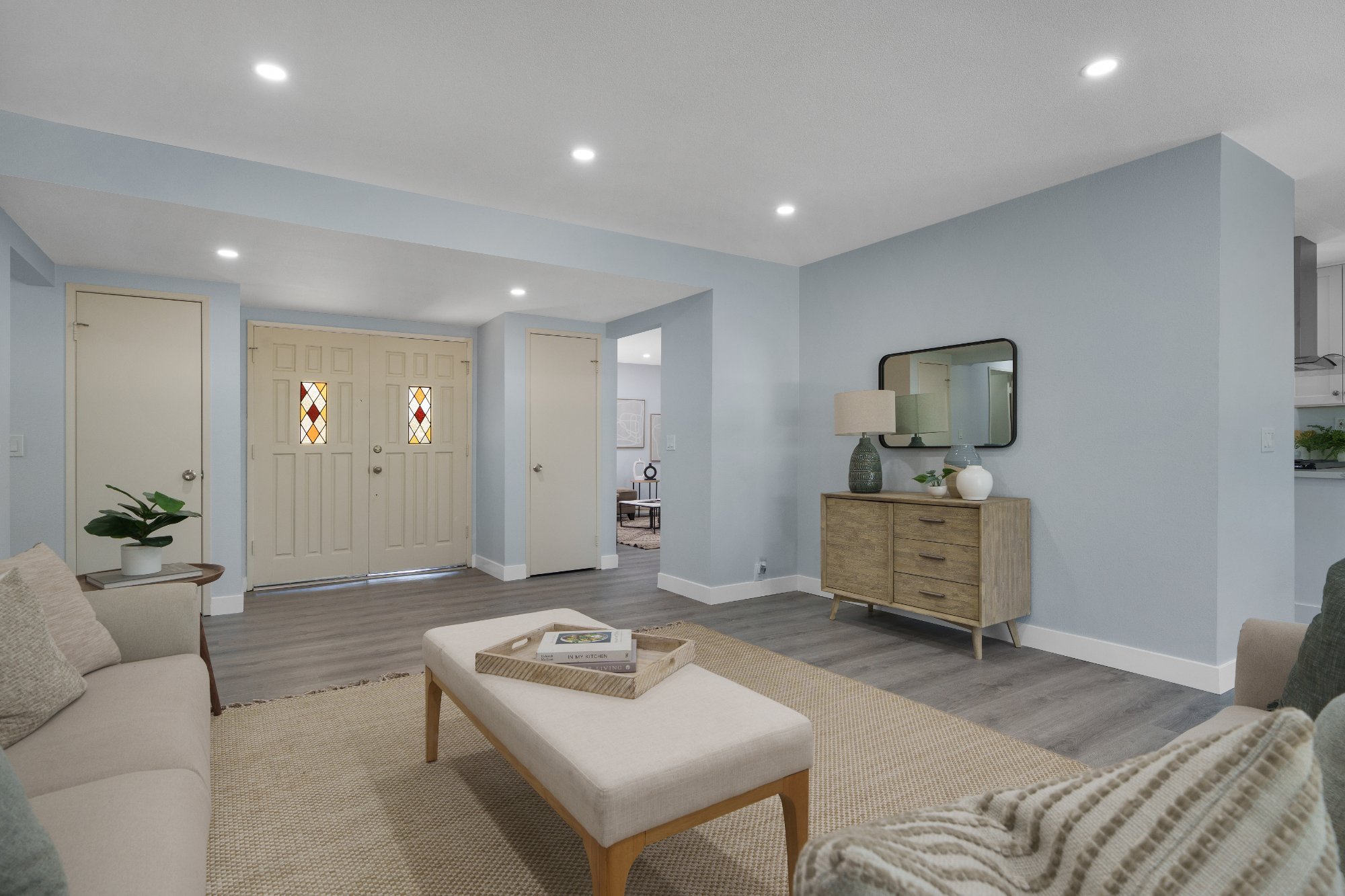
If you’re planning a larger ADU (a casita, backyard cottage, or small home), California’s new impact fee rule may affect your project budget. Senate Bill 1117 (SB 1117) changes how local agencies can calculate certain impact fees for ADUs beginning January 1, 2027.
The change matters most if you’re considering a unit larger than 750 square feet. It may reduce the area used to calculate impact fees for the first two ADUs on a lot. It does not eliminate every project fee, and it does not set one statewide dollar amount.
Here’s what Inland Empire homeowners should know as they plan.
What SB 1117 changes
Governor Gavin Newsom signed SB 1117 on September 29, 2026. The law amends California Government Code Section 66311.5 and takes effect January 1, 2027. You can also read the California YIMBY summary and review the state’s ADU Handbook.
Under the new rule, for the first two ADUs on a lot, local agencies may charge impact fees only on the interior livable space above 750 square feet. The fee must also be calculated proportionately to the primary dwelling unit.
ADUs of 750 square feet or less remain exempt from impact fees. Before SB 1117, a larger ADU could be charged impact fees based on its entire square footage once it exceeded 750 square feet. The new rule changes that calculation for the first two ADUs.
A 1,200-square-foot example
Suppose you plan a 1,200-square-foot ADU, and it falls within the first two ADUs on the property.
Under the prior calculation, the fee could be based on all 1,200 square feet. Starting January 1, 2027, the area eligible for the impact fee calculation drops to 450 square feet: 1,200 minus 750.
That is a 62.5% reduction in billable area compared with a calculation based on the full 1,200 square feet. It does not mean your impact fee will automatically fall by exactly 62.5%. Local fee schedules and the required proportional calculation affect the final amount.
What “proportionately” means for your budget
SB 1117 does not establish one impact fee amount for every California ADU. Local agencies have their own fee schedules, and the calculation is tied to the primary dwelling’s square footage.
That means the potential savings for homeowners in Riverside County, San Bernardino County, and the cities within them will depend on the applicable local fees and how they are calculated. A fee schedule in one city may differ from the schedule in another jurisdiction, even for similar projects.
When you request a project estimate or discuss fees with the local agency, ask:
- Which impact fees apply to this ADU?
- What square footage is being used in the calculation?
- How is the fee made proportional to the primary dwelling?
- Does the estimate reflect the rules effective January 1, 2027?
These questions can help you compare estimates and understand what is known and what still needs confirmation.
The two-ADU limit matters
The 750-square-foot deduction applies to the first two ADUs on a lot. Properties with more than two ADUs keep the previous full-square-footage basis for additional units.
If you already have an ADU or are planning multiple units, confirm how the local agency counts them and which units qualify for the new calculation. This is especially important if your property has a more complex history or you’re exploring a multi-unit plan.
The law changes an impact fee calculation. It does not decide whether your lot can support a particular ADU design. Site layout, access, utilities, local requirements, and the details of your plans still need review.
Impact fees are only one part of the project
A lower impact fee calculation may help with part of your budget, but it does not remove other project costs. Utility connection fees and capacity charges are treated separately from the impact fee change. Building and plan review fees, design and engineering, construction, and other applicable charges may also remain.
A clear budget should separate these items rather than combine them into a single vague “fees” line. Ask which costs are confirmed, which are allowances, and which depend on further review by the local agency or utility provider.
Construction costs remain a separate consideration, too. As broad planning ranges, Terra Nostra Builders’ California ADU cost guide describes garage conversions around $90,000–$180,000 and detached ADUs around $190,000–$450,000 or more. These are planning ranges, not bids. Actual costs depend on the property, scope, design, utility work, and other project conditions.
If you’re weighing a garage conversion against a new backyard casita, our comparison of garage conversion and detached ADUs explains some of the practical trade-offs.
Planning for a 2027 ADU
If you expect your project to move forward in 2027, a few early steps can make the fee change easier to assess.
- Confirm the number of ADUs on the lot. The rule depends on whether your proposed unit is one of the first two.
- Identify the agency that serves your property. A home in a city may be reviewed by that city, while an unincorporated property may fall under county departments.
- Ask for the fee calculation in writing. Request the applicable fee schedule, the area used, and how the fee relates to the primary dwelling.
- Keep utility charges separate. Ask utility providers or the appropriate agencies about connection fees and capacity charges.
- Review the full project scope. Look at fees alongside design, site work, construction, and any items that remain subject to review.
A property-specific review can help clarify which costs are affected by SB 1117 and which are not. If you’re just beginning to explore what a casita could make possible for your household, start with our series opener, “How Casitas and Little Houses Are Taking On California’s Housing Crisis in 2026”.
Terra Nostra Builders, Inc. serves Rancho Cucamonga, the Inland Empire, and surrounding Southern California communities. We can discuss your goals, review your property, and help you explore a project scope. Details depend on your site, plans, and local requirements.
For an initial conversation, call (909) 600-5619 or visit tnblders.com. There’s no need to commit to a design before you understand your options.
Terra Nostra Builders, Inc. · CSLB #1132769
Frequently asked questions
Does an ADU of 750 square feet or less still qualify for an impact fee exemption?
Yes. Under the law, ADUs of 750 square feet or less remain exempt from impact fees. Other project charges, such as utility connection fees and capacity charges, are separate and may still apply.
For a 1,200-square-foot ADU, is the fee based on 450 square feet?
For one of the first two ADUs on a lot, the area eligible for the impact fee calculation is 450 square feet. The fee must also be calculated proportionately to the primary dwelling, so the actual fee depends on the local schedule and calculation.
Does SB 1117 eliminate utility connection fees?
No. Utility connection fees and capacity charges are treated separately from the impact fee change. Ask the relevant utility provider or agency which charges apply to your project.
What happens if I already have more than two ADUs on my property?
The 750-square-foot deduction applies to the first two ADUs on a lot. Additional ADUs on a property with more than two units keep the previous full-square-footage basis for impact fee calculations. Confirm how the local agency counts the units on your parcel.